Facebook VS Google Ads for Plastic Surgeons
One of the biggest questions in plastic surgery marketing is whether Facebook Ads or Google Ads deliver better results. Both platforms can generate leads, consultations, and procedure bookings, but they work very differently. A campaign that performs well on Google may struggle on Meta platforms like Facebook and Instagram. The opposite can also happen.
What Makes Google Ads Different?
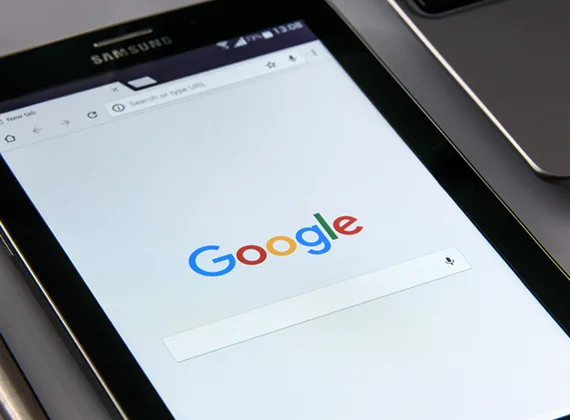
Google Ads focuses heavily on intent. People using Google Search are actively searching for services, procedures, pricing, or surgeons. That creates strong commercial intent because the patient is already looking for information.
For example, someone searching phrases like:
- “rhinoplasty surgeon near me”
- “tummy tuck cost”
- “best facelift surgeon”
is already much closer to booking a consultation than someone casually scrolling through social media.
Google Search Ads appear directly inside search results, allowing practices to target high-intent searches tied to specific procedures. This is one reason Google Ads often produce much higher conversion rates for elective services like cosmetic surgery.
Google also allows practices to target specific keywords, locations, devices, and search behaviors. For surgical practices focused on immediate lead generation, this can be extremely effective.
What Makes Facebook Ads Different?
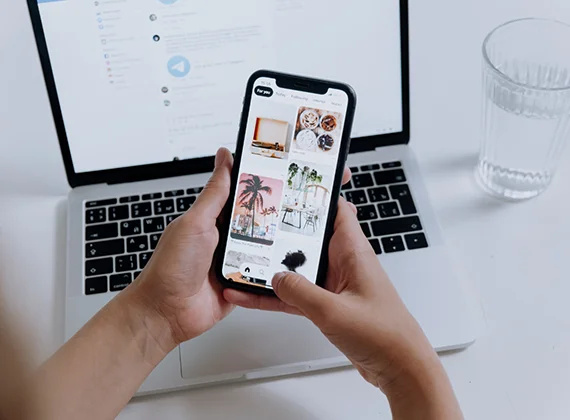
Facebook Ads and Instagram Ads operate differently because they focus more on audience targeting and discovery. Users are not necessarily searching for plastic surgery services at that moment. Instead, Meta Ads place content in front of users based on demographics, interests, behaviors, and engagement patterns.

This makes Facebook and Instagram especially useful for:
- Building brand awareness
- Visual storytelling
- Promoting before-and-after content
- Retargeting website visitors
- Staying visible during longer decision cycles
Plastic surgery is highly visual, which gives Meta platforms an advantage for showcasing results, patient testimonials, and educational content.
At Plastic Surgery Dr Marketing, we often use Facebook and Instagram campaigns to keep practices visible while potential patients continue researching procedures.
Which Platform Generates Better Leads?
In many cases, Google Ads generate higher-quality leads because the patient already has intent. Someone typing procedure-related keywords into the search bar is often further along in the decision-making process.
That usually leads to:
- Higher consultation rates
- Better conversion rates
- Faster lead generation
- More direct booking opportunities
However, Google Ads can also become expensive in competitive markets. Cost per click for plastic surgery keywords is among the highest in healthcare advertising.
Facebook Ads often generate a lower cost per lead, but lead quality can vary more widely. Some Meta leads are highly interested patients. Others may simply respond impulsively to visual content without serious intent to schedule surgery.
This is why practices sometimes experience large lead volume from Facebook but lower consultation show rates.
Which Platform Is Better for Brand Awareness?
Meta platforms usually perform better for awareness campaigns. Plastic surgery patients spend significant time researching providers before making decisions. During that process, repeated exposure matters.
Facebook and Instagram campaigns allow practices to build familiarity through:
- Educational videos
- Procedure explanations
- Surgeon introductions
- Recovery information
- Patient success stories
Visual content helps practices establish credibility and trust before a patient ever reaches the consultation stage.
Google Search works differently because it captures existing demand instead of creating demand.
Which Platform Delivers Better ROI?
The answer depends on the goal of the campaign. If the goal is immediate lead generation for procedures with strong search demand, Google Ads often delivers the best ROI because of patient intent.
If the goal is audience growth, long-term branding, or nurturing prospective patients, Meta Ads can be extremely valuable.
The strongest plastic surgery digital advertising strategies usually combine both.

For example:
Google Ads captures high-intent searches from users actively seeking procedures. Facebook Ads and Instagram Ads reinforce trust, retarget website visitors, and keep the practice visible during the decision process.
At Plastic Surgery Dr Marketing, we commonly see the best ROI when both platforms support different stages of the patient journey instead of competing against each other.
Why Landing Pages Matter
Even strong ads fail without effective landing pages. Many practices spend heavily on advertising but send users to slow websites, generic service pages, or confusing contact forms.
Plastic surgery patients expect polished digital experiences. A high-converting landing page should include:
- Procedure-specific information
- Before-and-after galleries
- Clear calls to action
- Mobile optimization
- Patient testimonials
- Easy consultation scheduling
Ad copy and landing page messaging should also match user intent closely.

Which Procedures Perform Best on Each Platform?
Certain procedures often perform better on one platform than another.
Google Search Ads usually perform well for procedures with strong search volume, including rhinoplasty, liposuction, breast augmentation, and tummy tuck procedures, because patients actively research pricing, recovery, and surgeons.
Facebook and Instagram campaigns often work well for visually driven procedures where emotional appeal and appearance changes influence patient psychology.
That does not mean one platform replaces the other. It means the campaign structure should align with how patients research different procedures.
Do Plastic Surgeons Need Both Platforms?
In many markets, yes. Relying only on Google can limit brand exposure. Relying only on Facebook may reduce high-intent lead opportunities. Modern plastic surgery marketing works best when practices use multiple channels together, including:
- Google Ads
- Local SEO
- Facebook and Instagram advertising
- Reputation management
- Email marketing
- Website optimization
This creates multiple patient touchpoints before a decision is made for a plastic surgery consultation.

Is $1 a Day Good for Google Ads?
No. In most U.S. plastic surgery markets, a one-dollar daily budget is too low to generate meaningful results. Plastic surgery keywords are highly competitive, and the cost per click can be expensive.
Effective Google Ads campaigns, including display campaigns, typically require realistic budgets, proper keyword targeting, conversion tracking, and ongoing optimization. Low-budget campaigns often struggle to collect enough data for consistent performance.

Why Tracking Matters
The real question is not simply whether Facebook Ads or Google Ads are better. It is whether the campaigns are generating profitable patients.
Practices should track:
- Consultation bookings
- Cost per lead
- Procedure revenue
- Conversion rates
- Return on ad spend
Without accurate tracking, it becomes difficult to identify which platform actually drives revenue. That is why we focus heavily on reporting and attribution at Plastic Surgery Dr Marketing.
Conclusion
So, are Facebook Ads or Google Ads more effective for plastic surgeons? In most cases, Google Ads generate higher-intent leads because patients are actively searching for procedures. Facebook and Instagram Ads are stronger for brand awareness, visual engagement, and nurturing prospective patients over time. The best strategy usually combines both platforms in a structured digital marketing system that supports the full patient journey.
Ready to Improve Your Plastic Surgery Advertising?
Plastic Surgery Dr Marketing helps practices with Google Ads management, Meta Ads, SEO, website design, conversion optimization, analytics and reporting, social media management, and copywriting.
Call (833) 999-4767 to grow your practice with smarter digital marketing. Contact us now!
FAQs
1. Is Google Ads more effective than Facebook ads?
For high-intent procedure searches, Google Ads often produces higher conversion rates. Facebook Ads work well for awareness and retargeting.
2. Do plastic surgeons need marketing?
Yes. Plastic surgery is highly competitive, and digital marketing helps practices attract new patients and stay visible online.
3. What apps do plastic surgeons use?
Many practices use Google Ads, Meta Ads Manager, CRM platforms, scheduling software, analytics tools, and social media apps.
4. Is $1 a day good for Google Ads?
No. Plastic surgery advertising is highly competitive, and very low budgets usually do not produce consistent results.
5. Why work with Plastic Surgery Dr Marketing?
We help plastic surgery practices improve lead generation, visibility, conversion rates, and marketing ROI through data-driven campaigns.